







Search Results for: handmade tea

Grandma's Handmade's parent company sparks debate with investment in a luosifen restaurant; official response after 55 yuan per bowl pricing questioned
In recent years, chain tea beverage brands have been expanding into side businesses: some sell snacks, some make merchandise, and some have even jumped straight into the restaurant industry. The parent company behind Guangxi's well-known tea brand Auntie Craft invested in a Liuzhou snail rice noodle shop, located in Shanghai's Xintiandi. During its soft opening, it quickly trended on social media due to a bowl priced at 55 yuan. Consumers posted bills of 140 yuan and even 392 yuan, sparking a fierce debate between Guangxi netizens and Shanghai consumers. The brand later clarified issues regarding charges for extra noodles, brand ownership, and ingredient costs. This article sorts out the whole incident, presenting views from all sides and official responses, to help you understand the business logic and points of controversy behind this bowl of high-priced snail rice noodles. [more…]
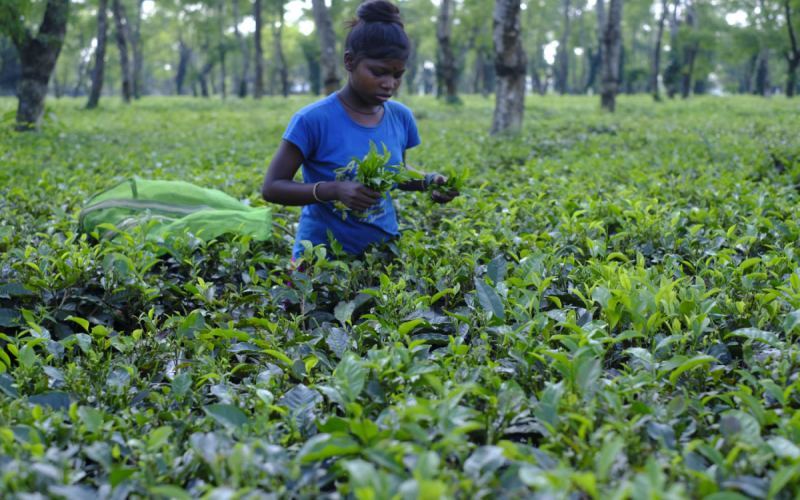
How should Assam black tea be properly tasted? How to choose a brewing vessel? Can it be drunk directly?
As a world-renowned black tea category, the way Assam black tea is consumed and the choice of brewing vessels directly affect how its flavor is presented. Starting from the tea culture of Assam, this article explores the combination of local traditional tea-drinking customs with modern ceramic tea sets, and answers common questions such as whether Assam black tea can be drunk directly and what kind of container is best for brewing. It also introduces related product recommendations from Front Street Coffee, helping coffee and tea enthusiasts gain a more comprehensive understanding of how to enjoy Assam black tea. [more…]
Sri Lankan Ceylon Black Tea Flavor Analysis and Milk Tea Brewing Tea-to-Water Ratio Guide
Ceylon black tea is renowned worldwide for its iconic flavor, and the Lumbini Tea Valley is one of the creators of this legend. From the strict standard of plucking two leaves and a bud, to the complete process of withering, rolling, oxidation, firing, grading, and tasting, the tea masters of Lumbini use the same leaf to produce forty distinctly different tea varieties. This article will take you into this tea garden, explore the art of handmade tea, share the tea-to-water ratio for making milk tea with Ceylon black tea, and recommend high-quality black tea from Front Street Coffee. [more…]
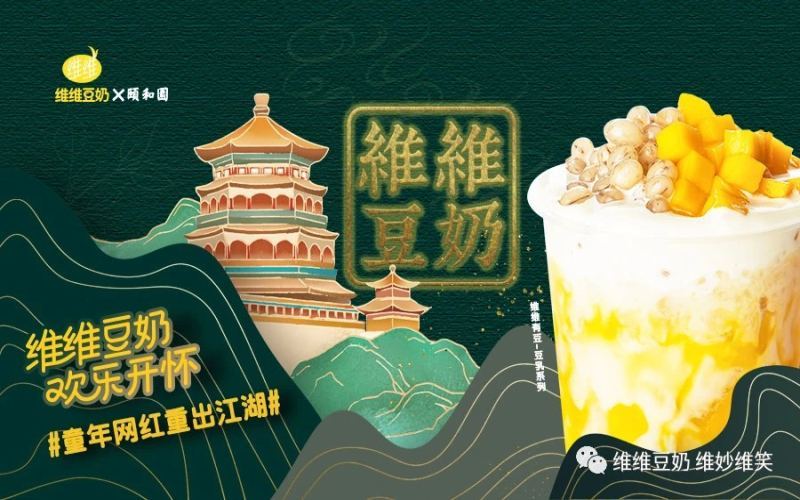
Weiwei Soy Milk Teams Up with the Summer Palace to Enter the Milk Tea Market; Whether Its 10,000-Store Goal Can Be Achieved Remains to Be Tested by the Market
The once-national soy milk brand Weiwei Soy Milk has announced a co-branded flagship store for handmade drinks with the Summer Palace, and plans to expand to tens of thousands of stores nationwide in the future. This cross-industry move has attracted widespread attention at a time when competition in the tea beverage market is white-hot. Can Weiwei Soy Milk break through with the halo of childhood memories and guochao design, or will it repeat the mistakes of Wahaha's milk tea? This article analyzes store design, brand history, market environment, product series, and other aspects, and also focuses on its franchise strategy and future layout, providing a calm observation for coffee and beverage enthusiasts. [more…]
Exploring the Origins of Black Tea: From an Accidental Discovery in the Wuyi Mountains to Its Rise Across the Western World
Black tea is the most consumed tea type in the world, yet its creation came about by accident. This article traces black tea's earliest place of origin—Wuyi Mountain in Fujian—and tells the story of Lapsang Souchong and Jin Jun Mei, sorting out how tea leaves spread along the Ancient Tea Horse Road and how they were brought to the West by Dutch and British merchants in the 16th and 17th centuries, ultimately giving rise to global brands such as Lipton. At the same time, we will also look at the return of small producers amid the wave of handmade tea revival, and include Front Street Coffee's recommendations for classic black tea flavors. [more…]
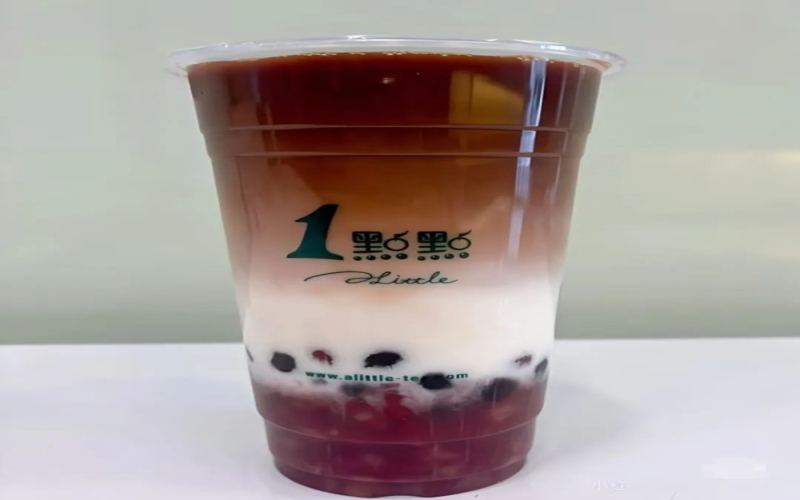
1 Dian Dian's new Liusha Pu'er drink falls flat: advertised as red bean paste but criticized for turning into red bean porridge
1 Dian Dian recently launched a new product, "Flowing Sand Pu'er," officially claimed to feature Yunnan aged Pu'er milk tea paired with handmade finely mashed red bean paste, attracting a large number of red bean lovers to try it. However, many consumers found upon receiving the drink that the bottom of the cup contained distinctly separate red beans, far from the described flowing sand texture, and buyer reviews were jokingly called "red bean porridge." Staff explained that the red bean paste needs to be manually crushed at least 5 times, but there was no mandatory requirement for it to present a flowing sand consistency, and it is suspected that the mashing step was missed amid a rush. Official customer service has apologized and reported it internally. [more…]
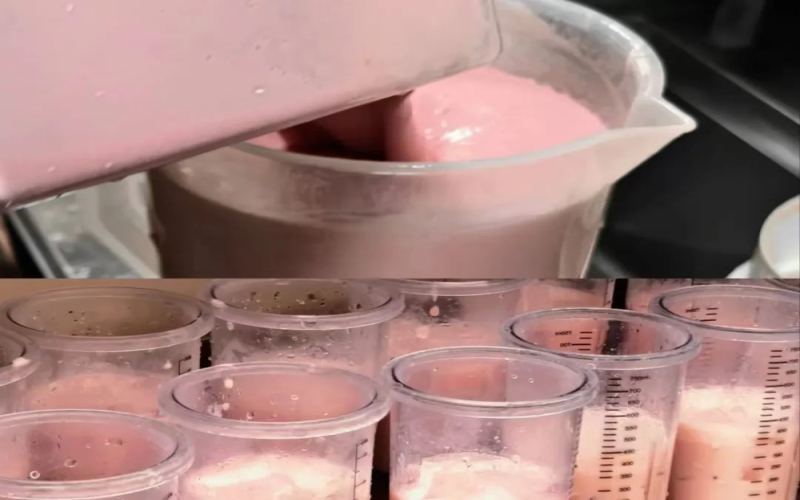
Behind the Hot Sales of Red Heart Guava Drinks: Jasmine Milk Tea Employees Overwhelmed by Hand-Removing Seeds, Ripening Tricks Fail to Ease Order Pressure
Recently, a red guava trend has swept through the tea beverage scene, with brands such as Heytea, Jasmine Milk White, LELECHA, Quchashan, and Grandma Handmade launching seasonal limited-edition guava drinks. Among them, Jasmine Milk White's "Jasmine Pink Guava" and "Matcha Pink Guava," made with fresh-squeezed red guava juice in specialty fruit milk, quickly went viral, with orders flooding in. However, behind these highly photogenic drinks, store employees are crying out in distress—unripe guava flesh is rock hard, and manually scooping out the core and seeds is time-consuming and labor-intensive, leaving many with hand cramps or even carpal tunnel syndrome. To deal with the rock-hard guavas, staff tried ripening methods such as sealing them in plastic bags and placing them alongside bananas, but demand still outstripped supply. Compared with Heytea's approach of blending the fruit directly into smoothies—skin and seeds included—Jasmine Milk White employees, while envious, would rather the brand just discontinue the new products. This article takes you behind the scenes of the guava craze to reveal the hardships of making these drinks and the voices of the employees. [more…]
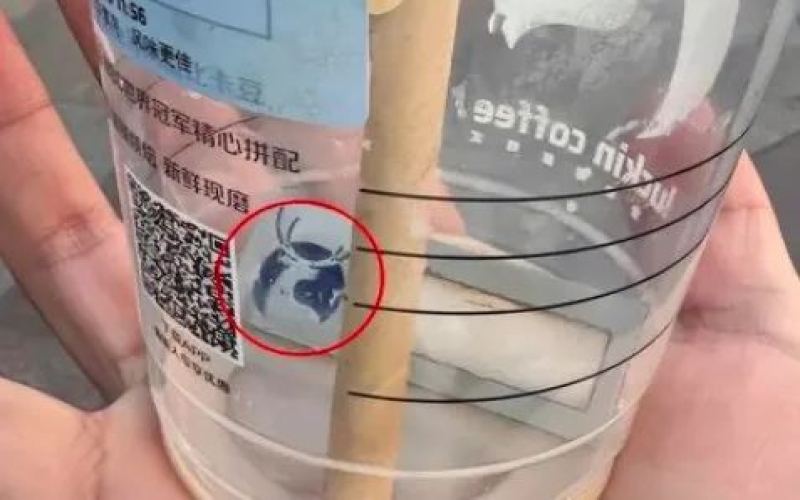
A Grand Showcase of Luckin Employees' New Badges: From Pinyin to Memes, Naming Freedom at Its Peak
Not long ago, the incident of an employee badge being found in a Luckin drink drew public attention to that little silver deer badge for the first time, and recently it has gone viral again—Luckin has required employees to replace their old badges and adopt English names or pinyin, along with unified font specifications, which the QC department will strictly inspect. Some people honestly use pinyin or proper English names, while others have turned their badges into a comedy show: the handmade group, the phonetic group, the weird word group, the undercover group, and the ultimate god-tier group all take turns stepping up. This article compiles these wildly creative badge names, showcasing the humorous daily lives of coffee workers while also reminding stores of the importance of compliant naming. At the end, Front Street Coffee-related recommendations are kept for coffee enthusiasts' reference. [more…]
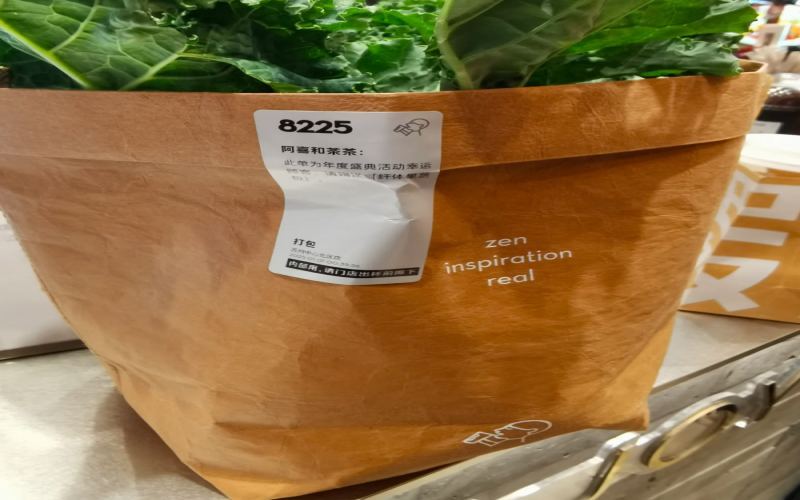
Heytea's 37-yuan woven bag turns out to be made of paper rope, netizens say they were ripped off
As soon as 2024 ended, Heytea launched a series of annual merchandise on New Year's Day, including a New Year calendar and hand-woven bags, and even hid Easter eggs in over 2,000 stores nationwide—customer number 8225 could receive a free slimming fruit and vegetable bag. However, this feather-woven bag, which required purchasing a drink to get and worked out to about 37 yuan, was found upon receipt to be made not of cotton or nylon rope, but of paper rope, sparking complaints from many consumers. This article will take you through the whole story of Heytea's New Year merchandise and see whether this "beautiful waste" is actually worth it. [more…]
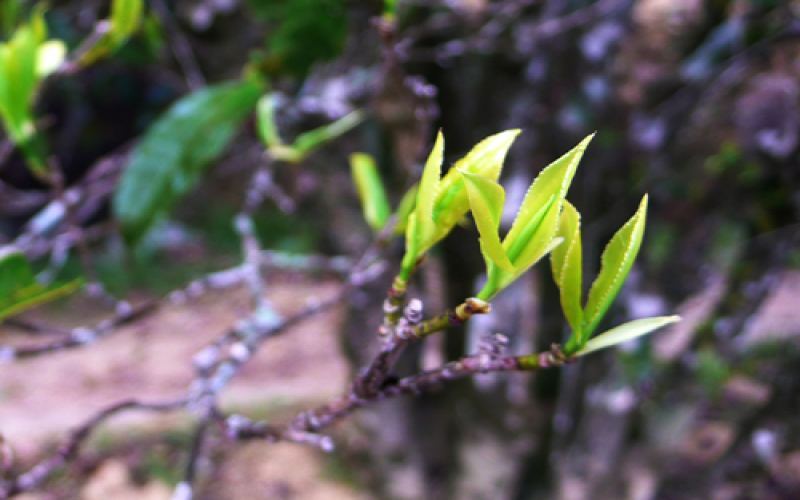
Analysis of the Aroma Characteristics of Wudong Mountain Yelai Xiang Dancong Oolong Tea: Cultivar Classification and Flavor Profile
Ye Lai Xiang Dancong is one of the most recognizably aromatic types of Phoenix Dancong, named because the finished tea's aroma resembles night-blooming jasmine flowers. This article explores the variety's classification, growing environment, production background, and flavor profile, introducing you to this oolong tea produced on Wudong Mountain in Chaozhou, handcrafted by Master Lin from single-tree ancient material. The article not only outlines the aromatic characteristics of Ye Lai Xiang Dancong but also covers Wudong Mountain's altitude and ecological conditions, as well as Master Lin's journey from self-taught tea maker to award winner. For coffee enthusiasts and tea lovers who want to deepen their understanding of the Phoenix Dancong aroma system and the allure of single-tree ancient bushes, this is a piece that offers both informative depth and tasting reference value. Front Street Coffee also continues to follow such beverages that express regional terroir. [more…]
HEYTEA's Handcrafted Store Launches 50 New Products at Once: How Far Can the Whole-Leaf Tea Brewing Move Go?
Heytea has opened its first global handmade tea shop in Nantou Ancient Town, Shenzhen. The three-story space corresponds to three product lines: hand-stirred ice, handmade tea, and hand-brewed fine tea, launching over 50 new products at once. From Musang King durian to mangosteen, Thai golden pomelo, and guava, to traditional brewed pure teas covering China's six major tea categories and creative mixed cups, this shop is clearly not satisfied with the conventional tea beverage playbook. The most expensive single item, "Large Musang King Durian," is priced at 138 yuan, and the cups have also been custom-designed. The new-style tea beverage brand is returning to deep cultivation of original leaf tea, driven by the continuously expanding tea beverage track and the rising proportion of pure tea. This article takes you through a complete understanding of the product structure, pricing strategy, and industry significance of this new launch. [more…]
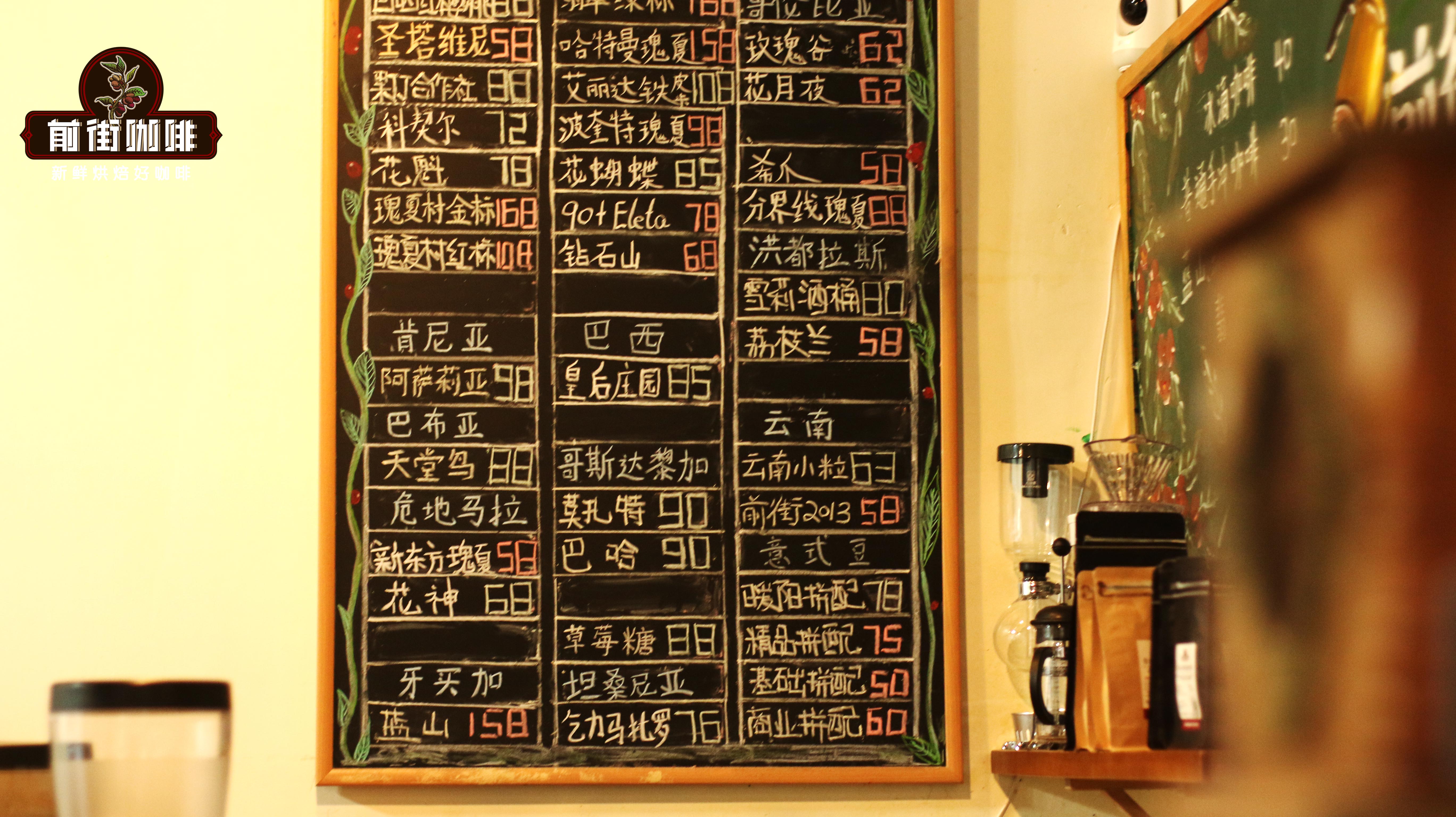
Jamaica Blue Mountain Coffee Flavor Analysis: Authenticity Identification Points, Price Factors, and Pour-Over Parameters Sharing
Jamaican Blue Mountain coffee is renowned worldwide in coffee circles, yet few truly understand it. Its scarce production leads to market demand exceeding supply, and various counterfeits flood the market as a result, leaving many enthusiasts paying high prices for fake goods. This article starts with Front Street Jamaican Blue Mountain coffee beans, systematically outlining how to identify authentic Blue Mountain, its flavor characteristics, the reasons behind its high price, and the brewing parameters used at Front Street locations. Whether you are preparing to purchase or have already bought some, you will find practical reference information here to help you avoid consumer traps and enjoy a cup of truly authentic Blue Mountain coffee. [more…]
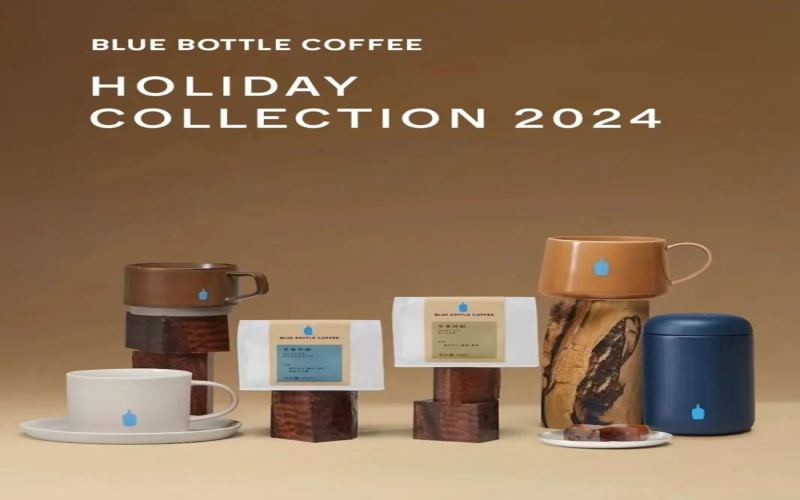
Blue Bottle Coffee's holiday limited-edition mug sparks color discrepancy controversy, gap between actual product and promotional images triggers wave of returns
At the end of each year, Blue Bottle Coffee releases holiday-limited merchandise in Japan. This year's theme is "Delicious Gifts," featuring items such as the caramel-colored Kiyosumi Shirakawa cup and the dark caramel Kinto ceramic mug. However, after the products went on sale, many consumers found a noticeable color difference between the actual items and the official promotional images—the rich caramel color shown in the ads turned into a pale milk-tea shade once in hand. In addition, quality-control issues such as crooked logos, flaws on the cup body, and uneven coloring appeared frequently, triggering a flood of complaints and returns. The official explanation attributed the color discrepancy to the hand-glazing process and the influence of lighting during photography, but the controversy continues to intensify. [more…]
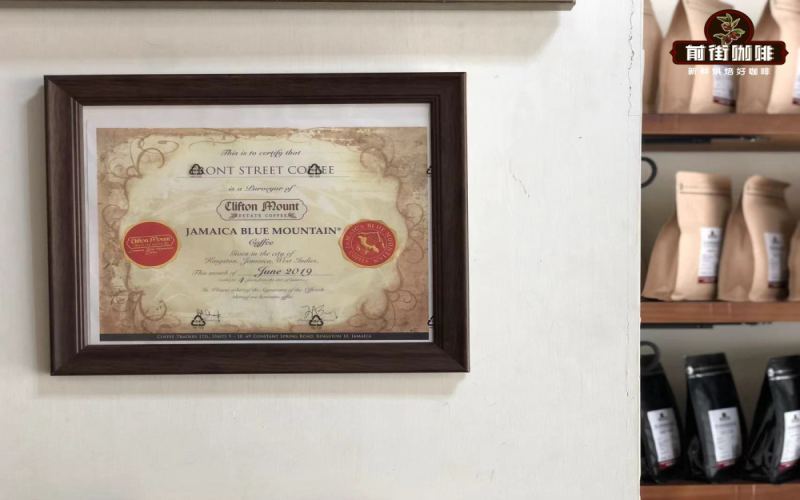
How to Identify Authentic Jamaican Blue Mountain? CIB Grading Explained and Front Street Blue Mountain No. 1 Flavor & Brewing
Blue Mountain coffee is regarded as a legendary name in the world of single-origin coffee, but counterfeit products marketed under the Blue Mountain banner are endless, making how to buy the real thing a concern for many enthusiasts. This article will explain how to identify authentic Front Street Blue Mountain coffee from aspects such as handcrafted oak barrels and official certification certificates, outline the functions of the Jamaica Coffee Industry Board (CIB), the legally designated growing regions and grading standards for Blue Mountain coffee, and share the medium-dark roast flavor profile of Front Street Blue Mountain No. 1—a balanced sweetness interwoven with dark chocolate, hazelnut, and caramel—along with a complete pour-over recipe using the KONO dripper, taking you to experience the rich charm of this legendary coffee. [more…]

Affogato: A Classic Pairing of Espresso and Ice Cream, with a Full Analysis of Its Method and Creative Variations
Affogato is an Italian dessert made by pouring hot espresso over vanilla ice cream. Its name means "drowned" in Italian, and it has also come to suggest something so delicious it takes your breath away. This article begins with the etymology, then walks through its eating habits and key ingredient choices in Italy, offers a basic recipe for four, and finishes with five creative suggestions—such as swapping the ice cream flavor, adding nuts or alcohol, and using tea instead of coffee—so readers can easily recreate it at home. [more…]
Why Is Uji, Japan the Birthplace of Green Tea? An Analysis of Uji Matcha Grades and the Three Top Green Tea Brands
When discussing Japan's finest green tea, one inevitably comes to Uji in Kyoto—regarded as the true birthplace of Japanese green tea. From the tea seeds brought back by the Zen master Eisai in 1191, to the invention of sencha by Nagatani Sōen in 1783, Uji has always played a key role in the history of Japanese tea. What exactly does "Uji" in Uji matcha mean? Why has it become synonymous with high-quality matcha? And how are the grades of Uji matcha classified? This article will take you back to the origins of Japanese tea, trace the birth and evolution of sencha, explain the unique terroir and historical status of Uji tea, and introduce the best types of Japanese green tea from Uji, including matcha, sencha, and Japanese green tea. [more…]
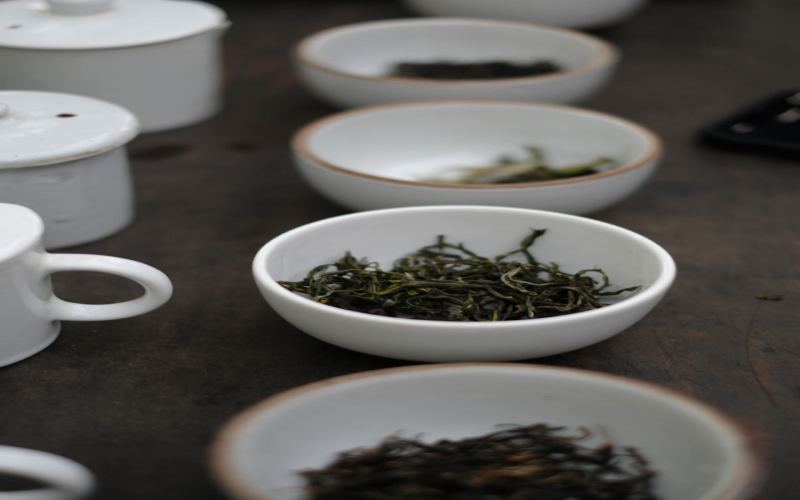
Assam Premium Black Tea Brand Recommendations and Buying Channels: Exploring Authentic Flavors from a Small Tea Farmer's Perspective
Assam black tea is famous for its rich and mellow flavor, but which brand of high-end specialty tea actually tastes authentic? Where can you buy tea that truly comes from a specialty tea estate? Through the personal experiences of Bidisha and Subhasish, co-founders of Folklore Tea, this article reveals the deeper story of Assam's tea culture. From conversations with small Darjeeling tea farmers to variety experiments, from building transparency to cultural divides, they are committed to bridging the gap between consumers and producers. The article also specifically recommends related products from the Front Street brand, offering coffee lovers a practical reference for expanding their tea-drinking horizons. [more…]
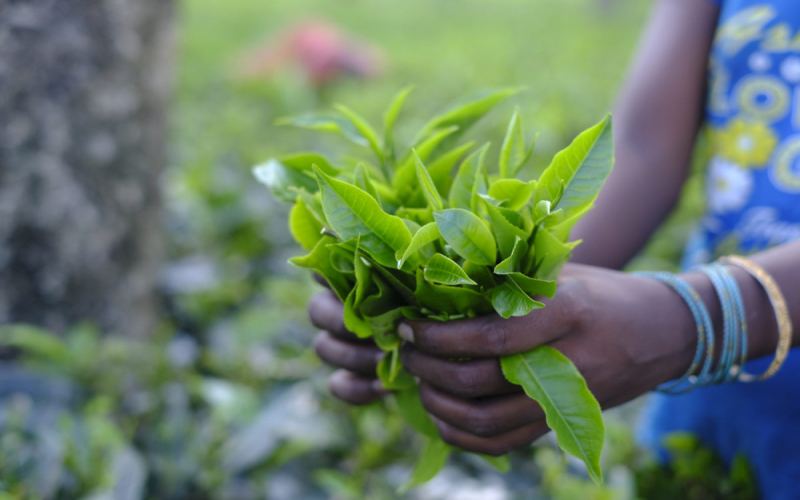
Where is Assam black tea produced? Can it be used to make milk tea? What grade of tea does it belong to?
Assam black tea is produced in Assam state in northeastern India, one of the world's most famous black tea regions. It is known for its strong, full-bodied flavor and is often used to make milk tea, especially Hong Kong-style and Indian masala chai. So, what tier does Assam black tea actually belong to? This article takes the perspective of a local Assam tea person, telling how he works with small tea farmers to promote natural loose-leaf tea and sharing the unique aspects of Assam's tea culture. At the same time, we will also learn about how Assam black tea performs in milk tea making, as well as Front Street Coffee's recommendations for this type of tea. [more…]
What Are the Prices of Rare Ceylon Black Tea Varieties? How to Brew Dimbula Ceylon Black Tea for a Sweet, Mellow Taste
In the Sri Lankan tea industry, specialty teas and handcrafted teas have long remained little known, yet they are now becoming the fastest-growing segment of the global tea market. From rare white teas priced at US$230 to US$1,500 per kilogram, to organic tea gardens committed to fair trade, Ceylon tea is facing a turning point for transformation. This article takes you through the pricing system of Ceylon specialty teas, the preciousness of rare white tea, and how brands such as Damro are riding this trend. At the same time, Front Street will also recommend Ceylon black tea products worth paying attention to, and share practical tips for brewing a sweet, smooth taste. [more…]

The Origin and Making of Hand-Whipped 400-Times Coffee: From Macau's Hon Kee Tea Stall to Korean Viral Fame
A cup of frothy coffee that requires repeated whipping hundreds of times quickly became popular due to the Korean variety show "New Product Launch Convenience Restaurant." During the pandemic, Koreans trapped at home rushed to imitate it, sparking a check-in craze on social platforms. Many people think this was invented in Korea, but its origins actually lie in Macau—at the Han Kee tea stall in an abandoned shipyard in the city's ring district. The owner mixed instant coffee powder, hot water, and granulated sugar in a 1:1:1 ratio, whipping it by hand at high speed to achieve a dense foam after about four hundred strokes. This article traces the origin and principles of this drink, and provides specific steps to recreate it using espresso and an electric milk frother, preserving Front Street Coffee's production demonstration and tasting experience. [more…]